Dating & meeting safety
How to tell if you're being catfished
Catfishing is when someone uses a false online identity to mislead another person. It can mean using somebody else's photos, changing important details about who they are, or creating an entirely false identity.
Something doesn't quite add up.
Maybe their photos look almost too good. Maybe you've been talking for weeks but there's always a reason they can't video call. Or perhaps you've noticed small details in their story changing.
None of those things automatically means you're being catfished. But if you're starting to question whether the person behind the profile is really who they say they are, there are some practical ways to check.

Their photos don't quite add up
Look at the photos together rather than judging each one separately.
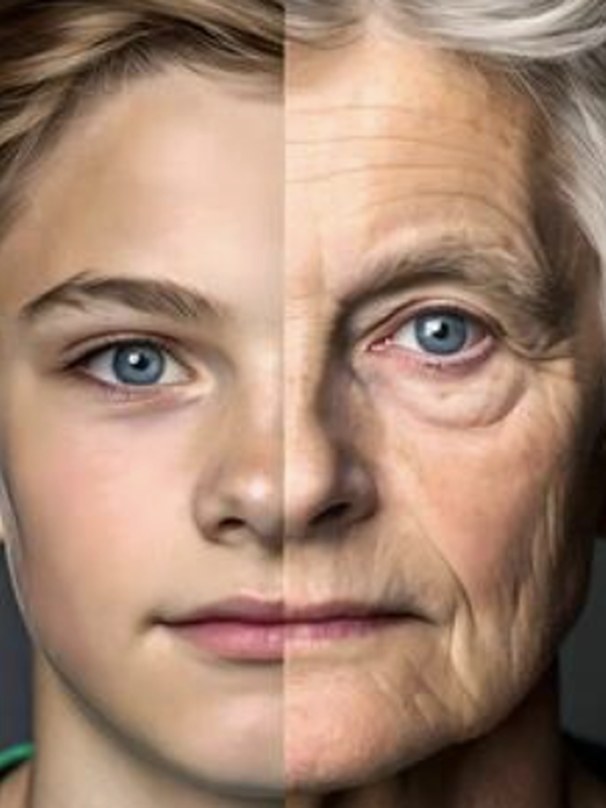
Does the person appear to be the same age across all of them? Are there big changes in image quality or style? Do all the photos look professionally taken while the rest of the account has very little history?
None of those things proves anything by itself. You're looking for inconsistencies rather than trying to find one magic sign.
A reverse image search is also worth trying. It can sometimes show you whether a photo appears elsewhere online under another name or belongs to somebody else.
They always have a reason they can't appear live
Someone not wanting to video call once isn't particularly unusual.
It becomes more relevant when it keeps happening.
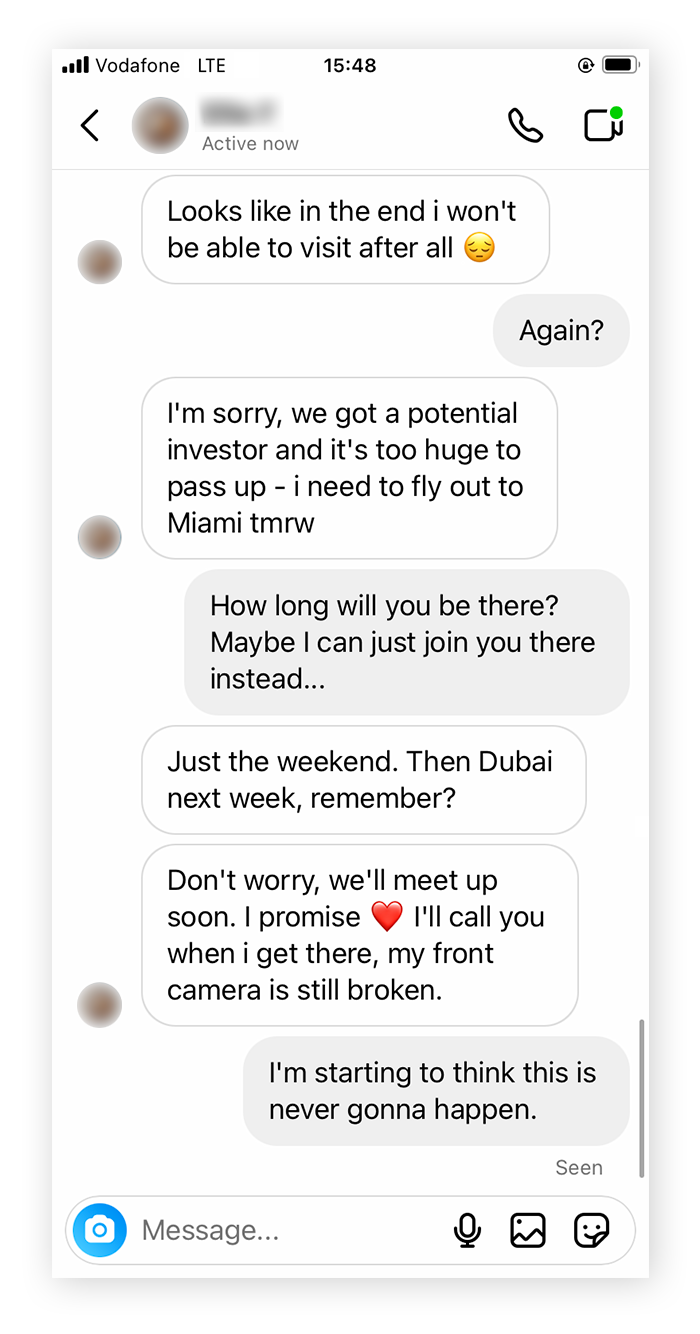
A broken camera, bad connection, being too busy, feeling uncomfortable on video or promising to call another day can all be perfectly reasonable explanations. But if you've been talking for some time and every attempt to see them live produces another excuse, it's reasonable to question why.
A short live video call can answer a fairly basic question: is the person you're talking to the same person you've been seeing in the photos?
Their story keeps changing
People forget things they've said. That's normal.
But repeated contradictions about basic details can be different.
Their age changes. They live in one place and then another. Their job doesn't match what they previously told you. Details about their family, relationship status or circumstances keep moving around.
One inconsistency might mean nothing. A pattern is worth paying attention to.

Their online history seems unusually thin
A new or quiet social account does not make somebody fake.
Some people don't use social media much. Others deliberately keep their profiles private.
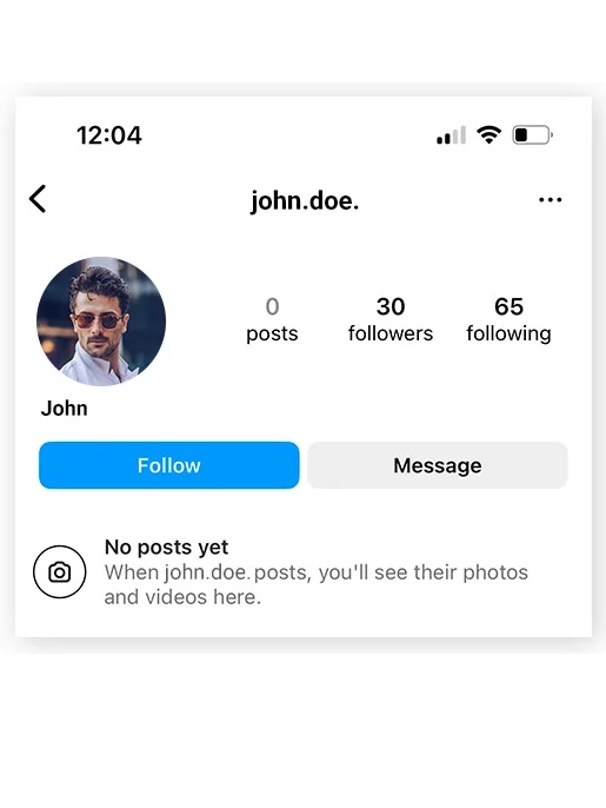
What can be useful is looking at the account as a whole. Is there any history? Do interactions with other people look natural? Are there tagged photos or older posts? Does what you can see broadly fit the person you've been talking to?
You're not trying to conduct a background investigation. You're simply looking for signs that the online identity has some consistency beyond the profile you're currently talking to.
Things become intense very quickly
Be cautious if somebody you've never met starts pushing the relationship forward unusually quickly.
That might mean intense declarations of affection, talking about a future together almost immediately, putting pressure on you to trust them, or trying to move the conversation away from the platform where you met.
Again, context matters. People connect quickly sometimes.
The concern is when emotional pressure starts replacing reasonable questions about who the person actually is.
They ask you for money
This is a much bigger warning sign.
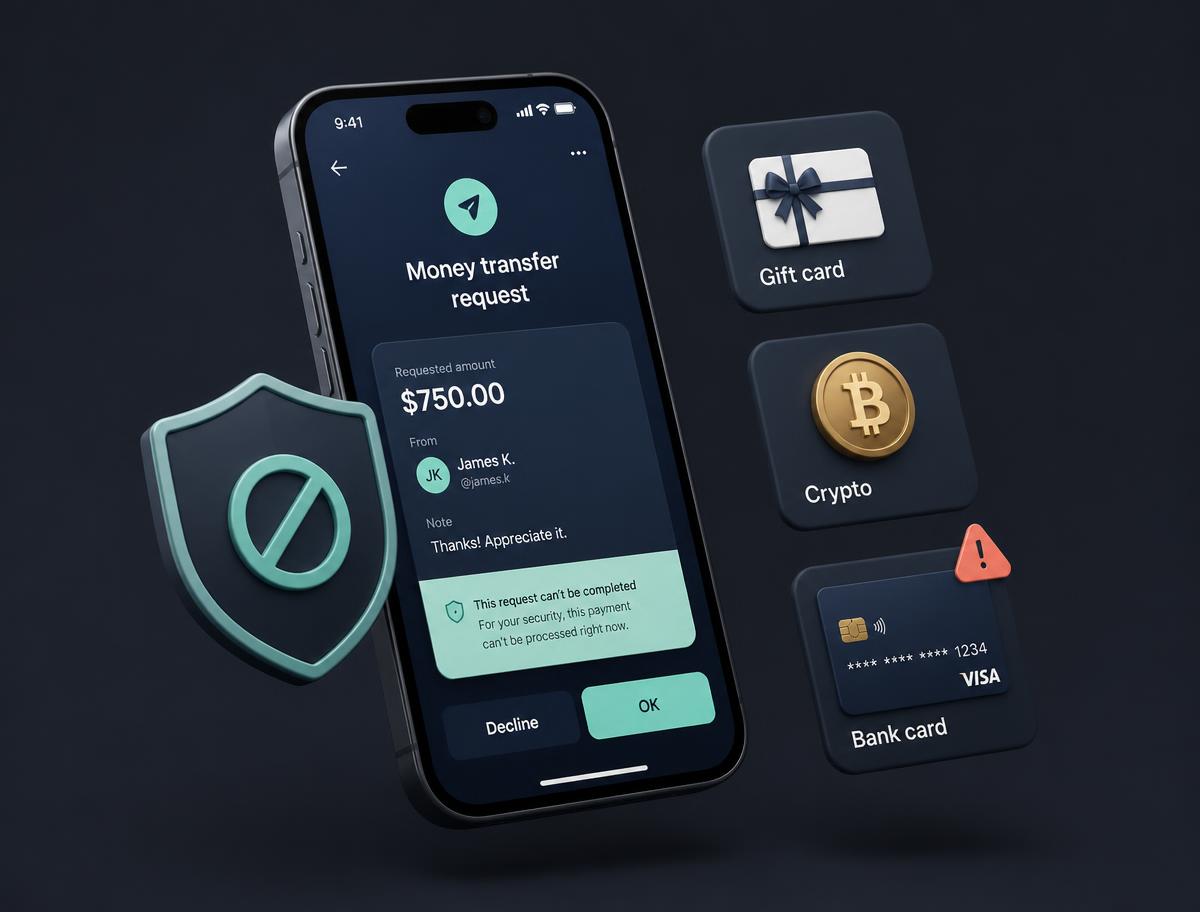
Be extremely cautious if someone you have only met online asks you to send money, pay an expense, make an investment, buy gift cards, transfer cryptocurrency or help them out of an unexpected emergency.
The story may be convincing. It may also arrive after weeks or months of building trust.
Do not treat photos, messages or even documents sent to you by the person as proof that the request is genuine.
They know a lot about you, but you know very little about them
Online conversations can become surprisingly personal.
Over time you may have told someone where you work, where you live, what you do each day and a lot about your relationships or family.
Ask yourself whether that exchange has actually gone both ways.
If you're giving somebody increasingly personal information while their own identity remains difficult to establish, slow things down.
What if you still aren't sure?
You don't necessarily need to keep searching through social media trying to prove or disprove someone's identity.
You can ask them directly.
A video call is one option. If you're actually considering meeting, you can also ask them to complete a verification before you meet.
This is where a NoStrangers Trust Request can help.
You send the person a Trust Request and they complete a live verification. They stay in control of what verified information they choose to share with you.
Instead of asking them to send you identity documents or more screenshots, the verification is handled through the NoStrangers process.
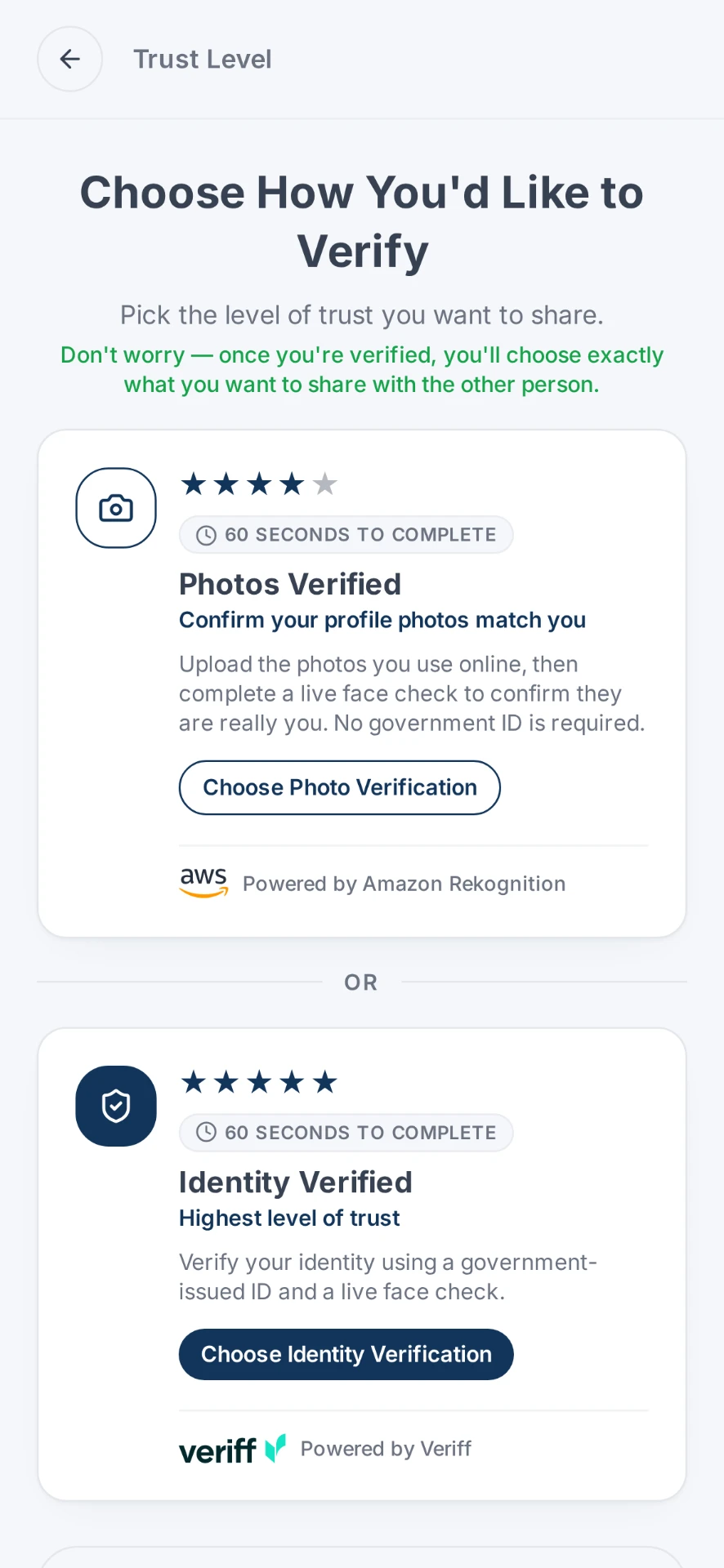
Choose how to verify
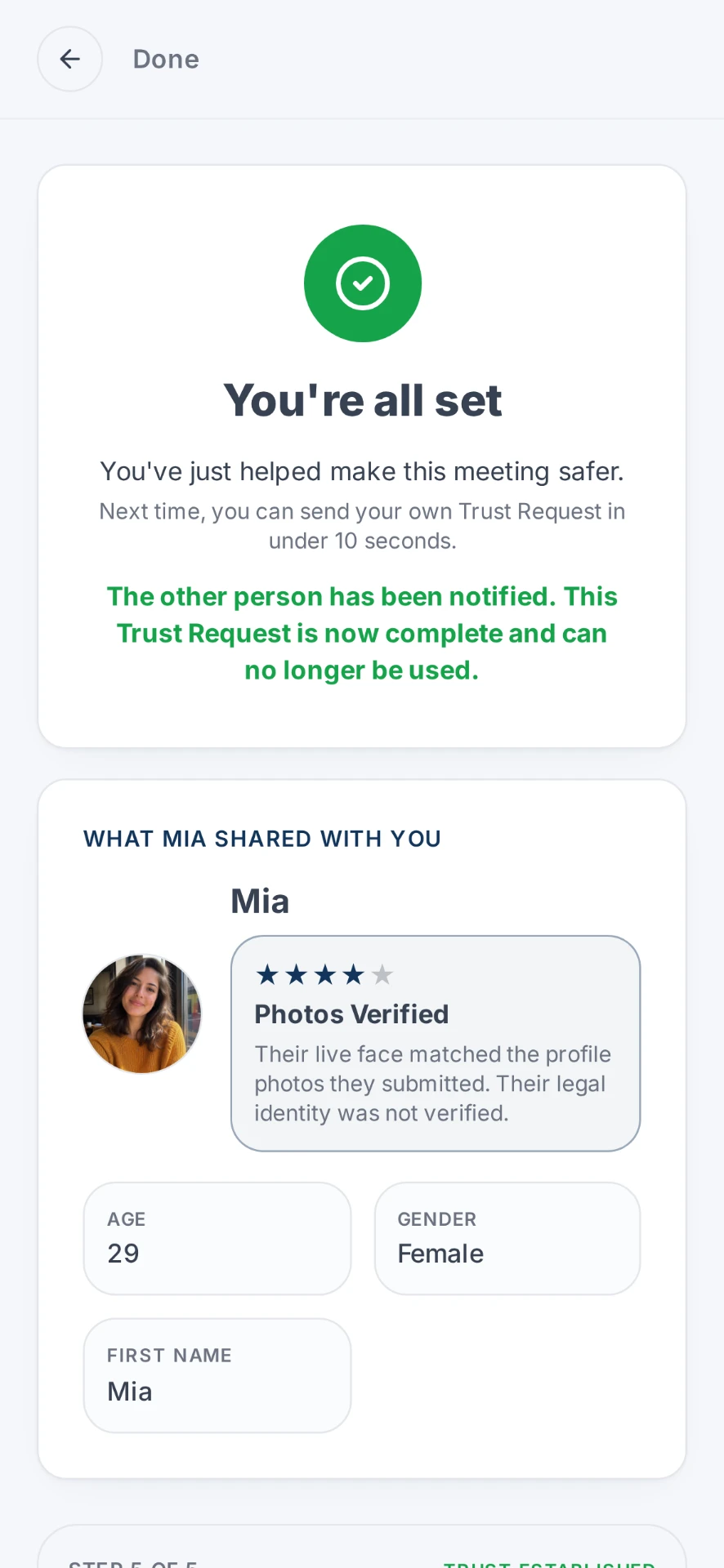
Trust established
What if they refuse to verify?
Refusing a Trust Request does not prove somebody is a catfish.
People have different comfort levels with verification and privacy, and they are entitled to say no.
You're equally entitled to decide that you don't want to meet somebody whose identity you're not comfortable with.
The point isn't that everybody must verify. It's that you can ask for more certainty before deciding whether to meet.
Verification still isn't a guarantee of safety
Knowing that someone matches the identity or photos they're presenting is useful information. It doesn't tell you whether they're a good person or what their intentions are.
If you decide to meet, the usual precautions still matter.
Meet somewhere public, tell someone you trust where you're going, keep control of your own transport and don't feel pressured to continue a meeting if you're uncomfortable.
We've covered those precautions in more detail in Meeting someone from a dating app for the first time.
If you're worried you're being catfished right now
Don't send money or additional personal information while you're unsure.
Try checking their photos, ask to see them live, look for inconsistencies and give yourself permission to slow the conversation down.
If you're considering meeting them, establish as much as you reasonably can about who you're actually going to meet first.
You can also read How to verify someone you met online before meeting.
Fake profiles have also been used to arrange real-world attacks, see When a fake dating profile becomes a real-world threat.
More safety guides are available in the Safety section.
Real stories, cases and guidance
Reporting and official guidance from external publishers. Links open in a new tab.
New Zealand Police · 2 May 2022
No love lost on online dating scams
Police outline how online dating scams work and what to watch for.
Read on New Zealand PoliceITV News Anglia · 6 Oct 2025
Catfishing gang with fake online profiles put victims through 'terrifying' ordeals
A gang used fake online profiles to lure victims who were then attacked and degraded.
Read on ITV News AngliaITV News Anglia · 11 Aug 2025
'Profoundly selfish' Harlow woman used fake dating profiles to con men out of thousands
A woman is sentenced after using fake dating profiles to defraud men.
Read on ITV News AngliaCBS News · 16 Feb 2024
She fell for a romance scam on Facebook. The man whose photo was used says it's happened before.
A romance scam victim and the man whose photos were stolen describe the same fake profile.
Read on CBS NewsCBS News
Romance scammers turn victims into "money mules," creating a legal minefield for investigators
How romance scam victims end up moving criminal money without realising it.
Read on CBS NewsCNA · 2 Jan 2026
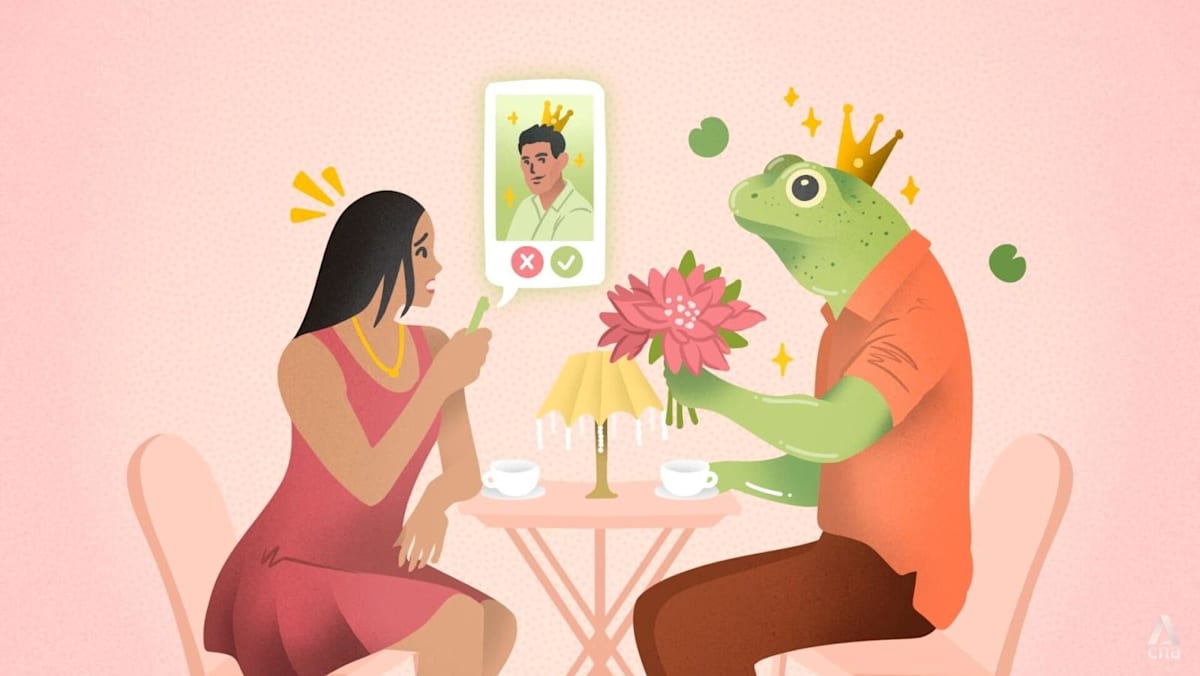
'Everyone feels scary': How catfishers are turning some singles off dating apps
Reporting on how fake profiles are eroding trust for people using dating apps.
Read on CNAABC News · 30 Jun 2026
Australians are being scammed and used by criminal networks as money mules
Australian banks and the AFP warn that scam victims are being used to move money.
Read on ABC NewsCBS Los Angeles
Orange County mother warns others of romance "catfishing" scams
A mother shares what happened to her to warn others about catfishing.
Read on CBS Los AngelesCBS News
In one woman's mysterious drowning, signs of a national romance scam epidemic
An investigation into one death that exposes the wider scale of romance scams.
Read on CBS NewsOtago Daily Times · 17 Feb 2026
Alleged romance scammer accused of duping Dunedin man appears in court
An alleged long-running romance scammer appears in court over a Dunedin complaint.
Read on Otago Daily Times





Further reading
Still not sure who you're talking to?
Send a Trust Request before you meet.