Dating & meeting
When a fake dating profile becomes a real-world threat
A fake dating profile isn't always just a catfish.
In documented cases in New Zealand, Australia and overseas, fake profiles have been used to arrange real-world meetings with people who believed they were going to meet someone for a date or hookup.
Instead, some arrived to find a group waiting for them.
People have been assaulted, robbed, humiliated and filmed.
For gay and bisexual men in particular, there are recent cases where the apparent anonymity of dating and hookup apps has been deliberately used to find and lure victims.
This is one of the problems NoStrangers was built to address.
This has happened in New Zealand
In Tauranga, young men created fake profiles on Grindr and arranged meetings with gay men.
According to court reporting, the victims were lured to private homes, parks and streets, often late at night, where they were assaulted. Some of the attacks were filmed and the footage posted online.
The summary of facts detailed 13 separate assaults during August and September 2024.
The offending included punching, kicking, stomping and slapping. In one attack, a victim was made to strip naked.
The court material also referred to similar groups operating in Auckland, Wellington and Christchurch.
Three men involved in the Tauranga offending were subsequently sentenced in the Tauranga District Court. The offending was described by the sentencing judge as a hate crime.
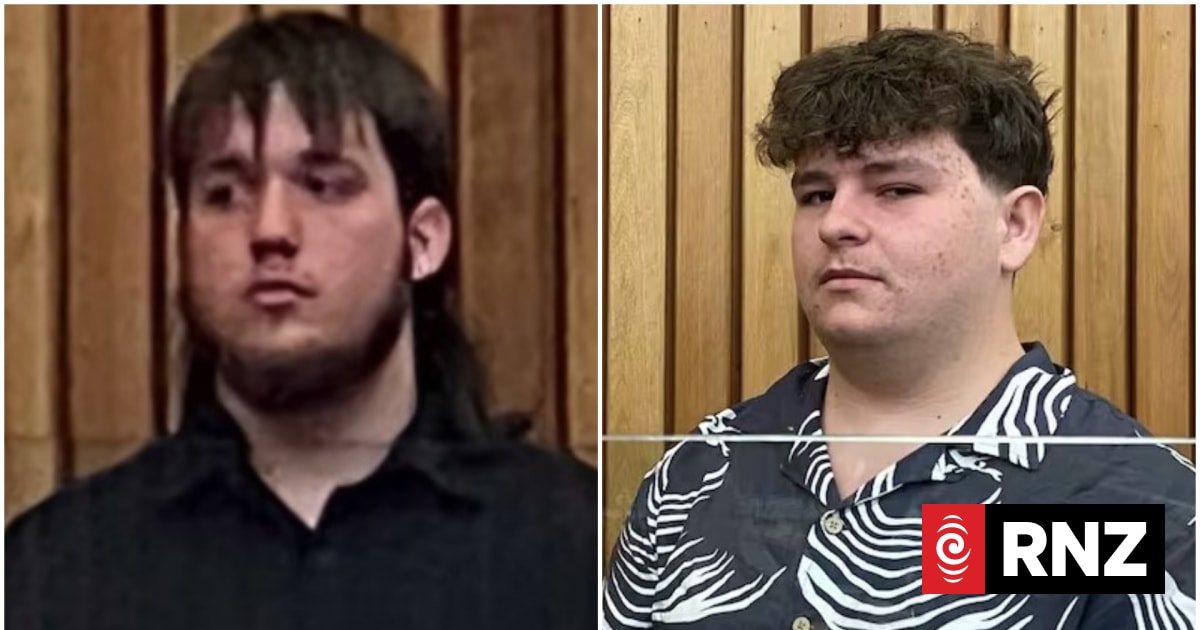
Christchurch has seen the same pattern
In another New Zealand case, a gay man believed he was meeting another man through Grindr at a park in Christchurch.
Instead, he was confronted by a group of teenagers.
He was kicked and punched while on the ground and hit in the head with a rock. The attack was also filmed.
More recently, in 2026, a 21-year-old Christchurch man told 1News that he had arranged a meeting through what he believed was another man's Grindr profile.
When he arrived at Woolston Park, he said he was attacked by two hooded men who used homophobic slurs while assaulting him.
He spent two days in Christchurch Hospital with injuries including concussion, a chipped tooth and a fractured leg.


It isn't only happening in New Zealand
Australia has experienced a wider series of similar attacks.
Victoria Police investigated groups of teenagers and young men who allegedly used fake profiles on gay dating apps to lure victims.
Police said the platforms involved were mainly Grindr, but also included Scruff and Snapchat.
The alleged victims were subjected to offences including assault, robbery, threats, false imprisonment and kidnapping. In some cases, attacks were filmed and posted to social media.
ABC reported in 2025 that Victoria Police had arrested dozens of alleged offenders in connection with this broader pattern of attacks.
In Canberra, victims were allegedly lured to vacant homes
In 2024, ACT Police investigated three alleged attacks on men who had arranged meetings through fake or deceptive dating app profiles.
Police said the victims were lured to vacant properties and assaulted by groups.
Grindr subsequently said it was communicating with ACT Police and worked with LGBTQIA+ organisation Meridian to display safety information to users in Canberra.
Similar attacks have happened in the UK
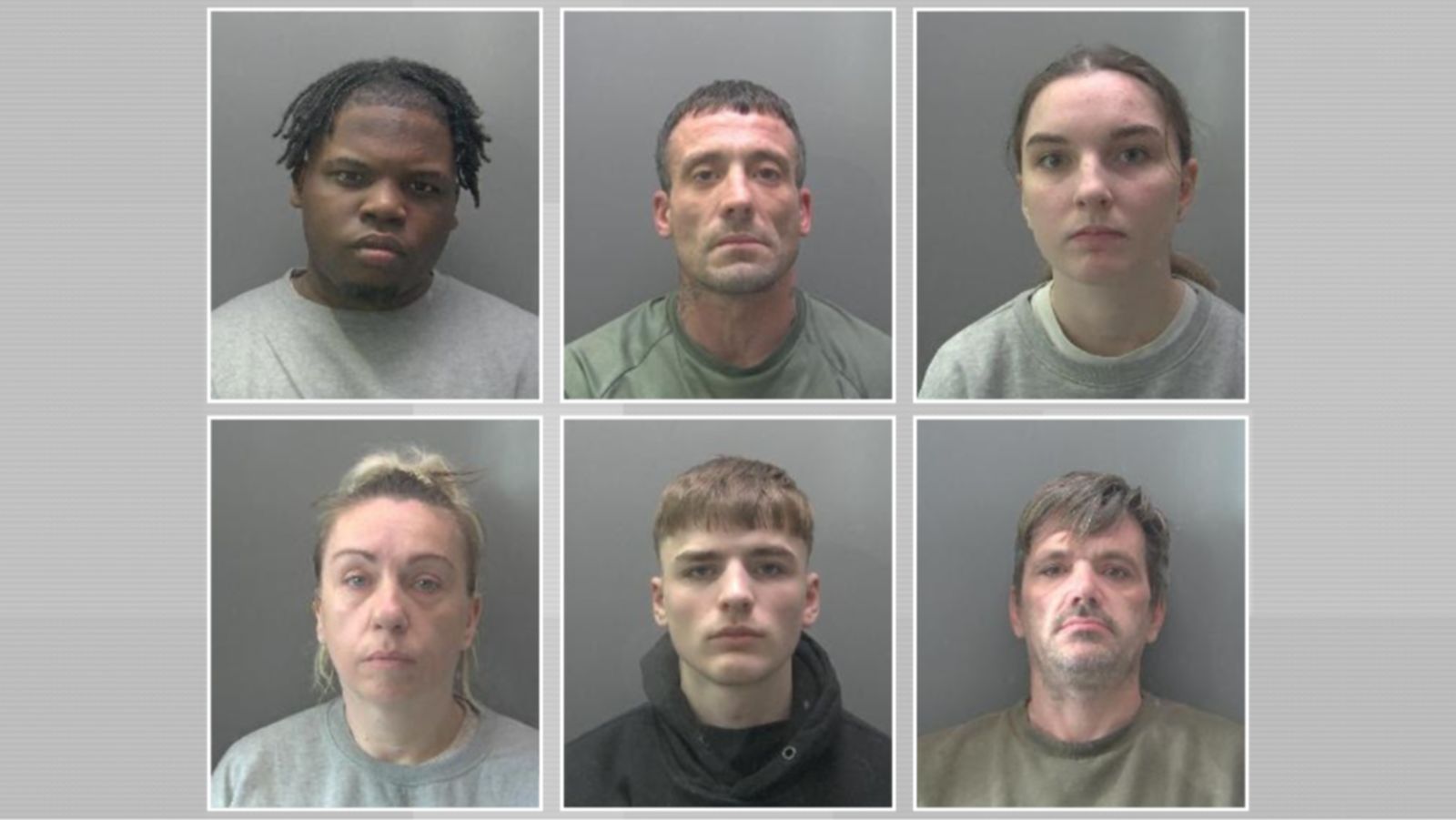
In 2024, five men were convicted in England for their involvement in an organised series of robberies.
According to the Crown Prosecution Service, fake Grindr profiles were used to lure victims to parks in Birmingham.
Victims were attacked, held captive and robbed.
The prosecution said the offenders specifically targeted members of the LGBTQ+ community.
The profile is what makes the meeting possible
The common issue in these cases isn't simply that somebody lied online.
The online identity created the meeting.
Someone saw a profile, exchanged messages with the person behind it and made a decision about whether and where to meet based on what they had been shown.
But the person or people waiting at the meeting could be completely different.
That's an important limitation of an ordinary online profile.
Photos, a name, a convincing conversation and even a detailed profile do not necessarily establish who is actually behind the account.
This isn't about blaming dating apps
Grindr appears frequently in documented cases because it is widely used by gay and bisexual men to connect and arrange meetings.
Other dating, hookup and social platforms can face the same underlying problem.
The platforms connect people. The people abusing them are responsible for the attacks.
Grindr has cooperated with police investigations in documented Australian cases and has used in-app safety messaging to warn users where attacks have occurred.
The issue NoStrangers is interested in is narrower:
How can two people who have met through an online profile establish more about who is actually going to turn up?
Why LGBTQ+ users can face a particular problem
Dating and hookup apps are valuable spaces for LGBTQ+ people to meet.
They can also allow meetings to happen quickly and with relatively little identifying information exchanged beforehand.
That privacy can be important.
People may not want their sexuality, dating activity, identity or private conversations exposed.
But the same ability to remain relatively anonymous can be abused by somebody creating a false profile.
The answer shouldn't be that LGBTQ+ people have to surrender their privacy in order to meet safely.
The better question is whether people can establish more trust between each other without unnecessarily exposing their private information.
Why NoStrangers was built
NoStrangers started with a simple problem.
A profile isn't proof of the person behind it.
A Trust Request gives two people a separate way to verify before meeting.
Instead of relying entirely on the profile where the connection started, one person can send the other a Trust Request.
The recipient completes a live verification and chooses what verified information they want to share.
The person sending the request can verify too.
The aim isn't to replace Grindr, dating apps or the platforms where people meet.
It's to provide a trust layer between meeting someone online and meeting them in the real world.
Verification doesn't make a meeting automatically safe
No identity or photo verification can tell you somebody's intentions.
A verified person can still behave badly.
Verification should therefore be one part of making a decision about meeting somebody, not a guarantee of safety.
Other precautions can still matter, including meeting publicly where appropriate, telling somebody where you're going, keeping control of your own transport and leaving if the situation isn't what you expected.
If something changes when you arrive, you can leave
- The person is different.
- The address changes.
- Several people are there when you expected one.
- You're directed somewhere isolated.
- Something simply doesn't feel right.
You don't have to continue with the meeting because you've already travelled there or because you're worried about appearing rude.
Leave and contact somebody you trust.
If you believe you're in immediate danger, contact emergency services in your location.
Reported cases
Reporting and official guidance from external publishers. Links open in a new tab.
RNZ / Open Justice · 19 Dec 2025
Grindr attackers Thomas Bull, Ethan Jeffs and Patrick Moloney sentenced in the Tauranga District Court
Court reporting on the sentencing of three men over Grindr-arranged assaults in Tauranga.
Read on RNZ / Open Justice1News · 15 Aug 2026
Man lured via fake dating app profile in suspected homophobic attack
A Christchurch man describes being attacked after arranging a meeting through a Grindr profile.
Read on 1NewsRNZ / Open Justice · 19 Dec 2025
'Most culpable' member of teen ring that attacked gay men fought for lesser sentence
Court reporting on a teen ring that attacked gay men lured through Grindr in Christchurch.
Read on RNZ / Open JusticeNew Zealand Police · 12 May 2026
Police urge caution to dating app users, Southland
Southland Police urge dating app users to take care after reported offending.
Read on New Zealand PoliceABC News · 9 May 2025
Criminals used fake profiles on gay dating apps to lure robbery victims, police allege
Victoria Police allege fake dating app profiles were used to lure and rob victims.
Read on ABC NewsABC News · 22 Jul 2024
Police investigating after two men allegedly lured to locations via dating app and assaulted
ACT Police investigate alleged assaults after men were lured through dating app profiles.
Read on ABC NewsABC News · 8 Aug 2024
Dating app Grindr 'in communication' with police following three alleged homophobic attacks in Canberra
Grindr responds to alleged Canberra attacks and displays safety information to users.
Read on ABC NewsUK Crown Prosecution Service · 18 Sept 2024
Men convicted of dating app robbery
The CPS reports convictions after fake Grindr profiles were used to lure victims in Birmingham.
Read on UK Crown Prosecution ServiceITV News Anglia · 6 Oct 2025
Catfishing gang with fake online profiles put victims through 'terrifying' ordeals
A gang used fake online profiles to lure victims who were then attacked and degraded.
Read on ITV News AngliaNew Zealand Police · 28 Aug 2024
Arrests made in relation to Tauranga-based online group
Police announce arrests relating to a Tauranga-based online group that targeted men.
Read on New Zealand Police
Related safety guides
Sources
- RNZ / Open Justice: Grindr attackers Thomas Bull, Ethan Jeffs and Patrick Moloney sentenced in the Tauranga District Court
- New Zealand Police: Arrests made in relation to Tauranga-based online group
- RNZ / Open Justice: Most culpable member of teen ring that attacked gay men fought for lesser sentence (Christchurch)
- 1News: Man lured via fake dating app profile in suspected homophobic attack (2026, Christchurch)
- ABC News: Australian dating-app attacks investigated by Victoria Police
- ABC News: Grindr in communication with ACT Police over alleged attacks (Canberra)
- UK Crown Prosecution Service: Men convicted of dating app robbery
A profile isn't proof of the person behind it.
Send a Trust Request before you meet.